
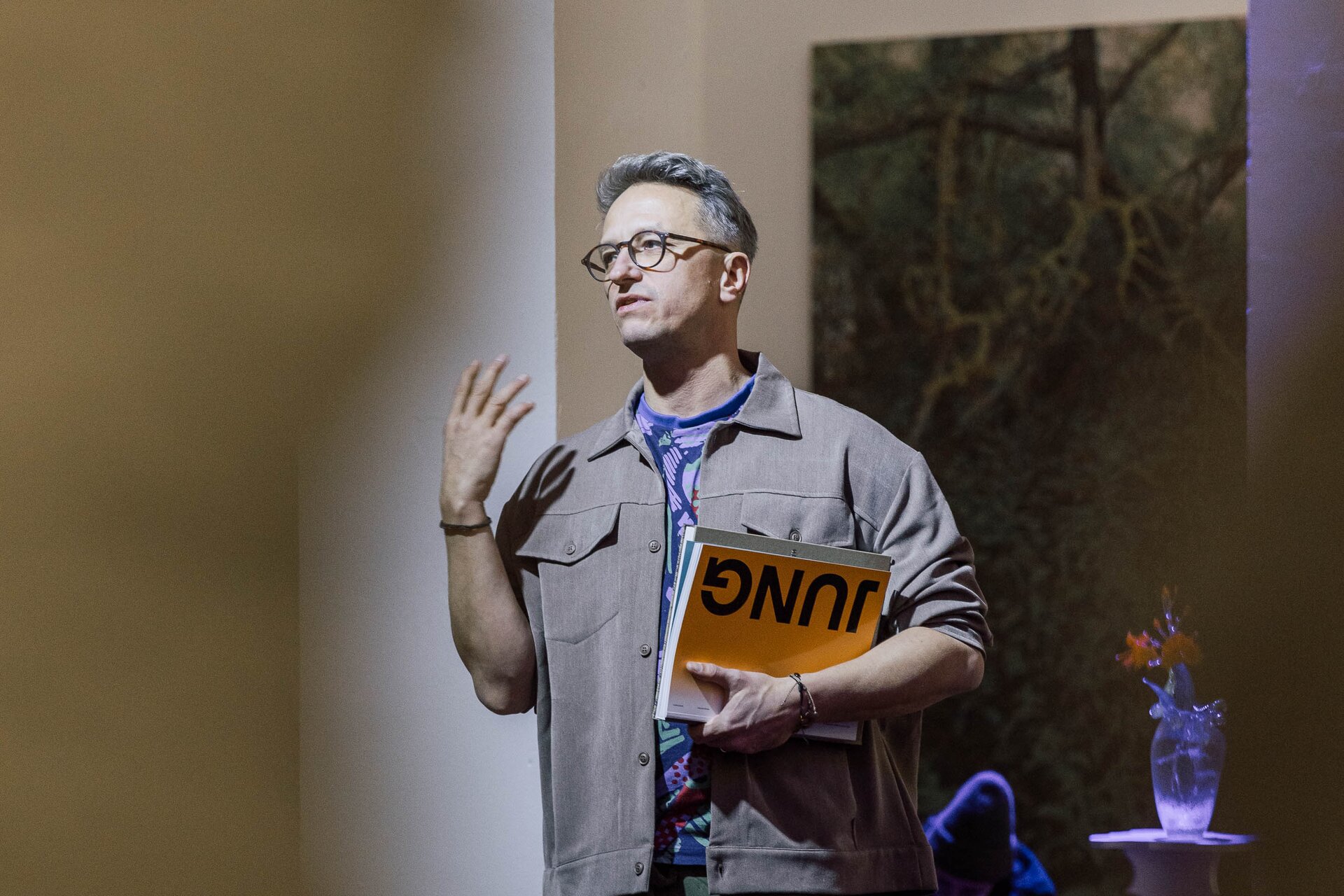
I See Other Galleries as Teammates: Petr Hájek on the Evolution of the Czech Gallery Scene
When The Chemistry Gallery held its first exhibition opening eighteen years ago, hardly anyone on the Czech scene was systematically presenting young contemporary artists. “In the first years we couldn’t even afford to print exhibition catalogues; today we manage to attend three to four international fairs a year,” says The Chemistry’s founder Petr Hájek. How has the local contemporary art market changed over almost two decades, why is it so hard to maintain a continuous presence abroad, and at what point can a dull opening turn into a proper party?

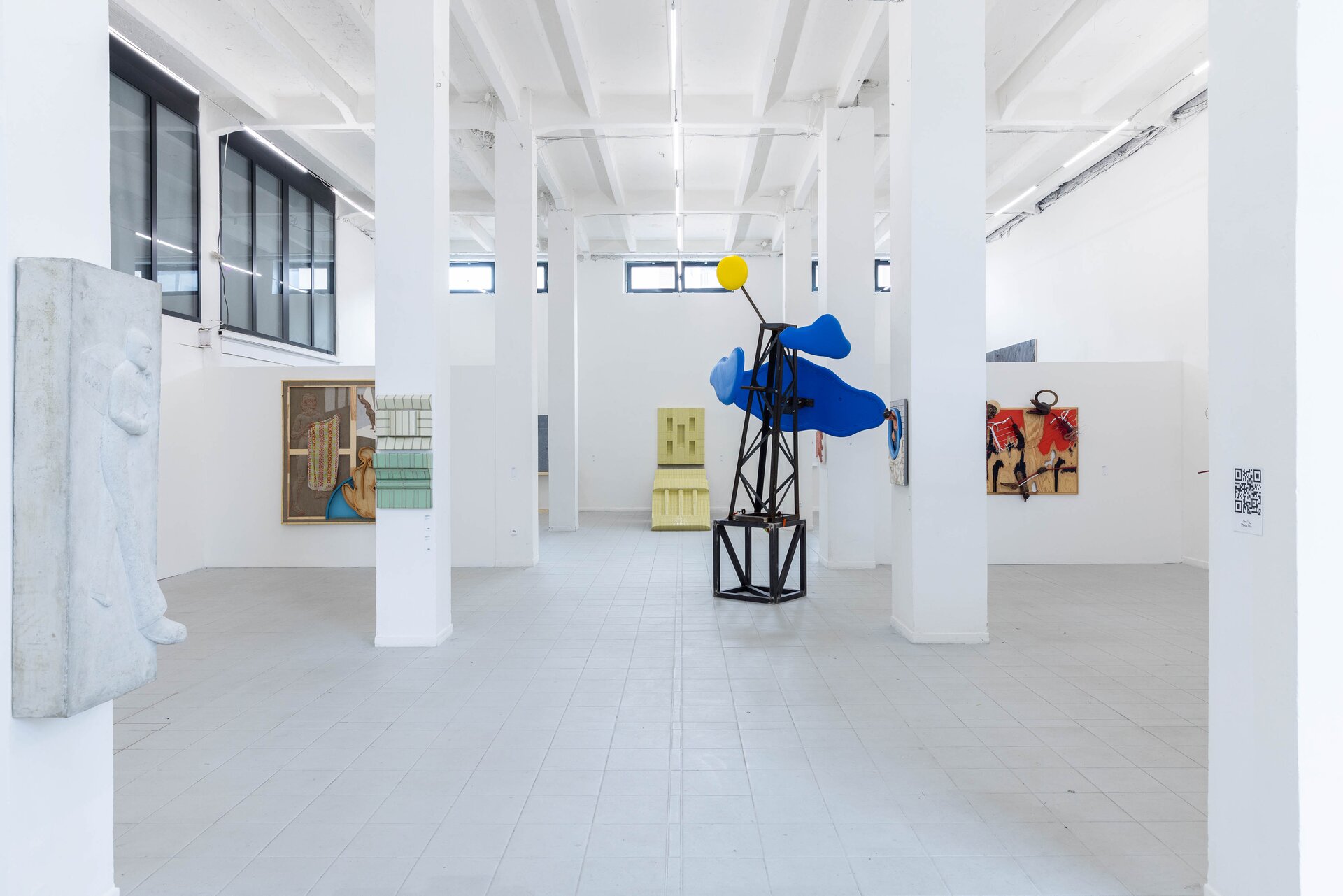
The Chemistry Gallery has been running since 2008, and to this day I see it as one of the pioneering galleries that began supporting exclusively young talent in this country. How has the Czech commercial gallery scene changed since then?
PETR: When we founded the gallery, I first wanted to focus exclusively on street art and graffiti, which are art forms I love. But then I thought that was too narrow a niche for the Czech market, so I turned more broadly to the youngest artists in visual art. It may sound banal today, but at the time the gallery's concept was taking shape, we really were one of the first galleries with such a specific focus. Thanks to that, we enjoyed fairly strong interest from the media, the public and collectors from the very start – we were simply bringing something new.
Over time the scene began to change, and both commercial and non-commercial galleries started paying more attention to the youngest generation of artists. Today, young artists already have quite a lot of opportunities. Even so, our environment still cannot be compared with countries to the west of us that have a far more developed market, such as France, the United Kingdom or the USA. So there is still plenty of room for actively shaping the scene, and I'm glad I can follow its development from the very beginning.
Is our country's historical development to blame for this delay, or do you see other factors as well?
PETR: It is certainly down mainly to communism, which slowed the whole development of the local art scene quite considerably in the second half of the 20th century. In the 1990s, freshly graduated artists were floating in a kind of vacuum, and galleries focused on young contemporary art only began to emerge in the 2000s. In general, we lack a certain market structure that can be seen in the more developed markets to the west of us, but that lag is entirely understandable. Still, I can see functioning art market mechanisms taking hold here more and more.
Do you see the relationships between galleries as competitive?
PETR: Personally, I don't see other galleries as competitors, but rather as teammates in the struggle to educate the general public and motivate it to take an interest in contemporary art. So although the space is getting more and more crowded and various competitive battles between individual galleries do arise, I think there is still plenty of room left for other projects.
In its focus and its atmosphere, The Chemistry has always been open to the general public. How is the market's lag you mentioned reflected in the wider perception of contemporary art?
PETR: That goes hand in hand with the development and the growing number of galleries. Besides them, many other projects are emerging, for example ones that aim to educate the lay public. These and other initiatives show that the market is still developing and that there is a growing interest in learning more about how the world of contemporary art works. People's interest often simply doesn't end with coming to an opening. They visit artists in their studios, take an interest in their specific work and the stories connected with it… And I see all of that as very positive signals.
You founded the gallery in 2008 with Martin Kámen, who left the project soon afterwards. Have you been in charge of the entire programme on your own ever since?
PETR: The beginnings with Martin helped me a lot. When we opened the gallery, I was working at an international consulting firm and didn't have enough capacity to get the gallery off the ground. I came up with the concept, and Martin was the force that helped me bring it all to life. We ran the gallery together for the first year; during that time I found my feet, and since then I have set the programme myself.
That must be quite demanding…
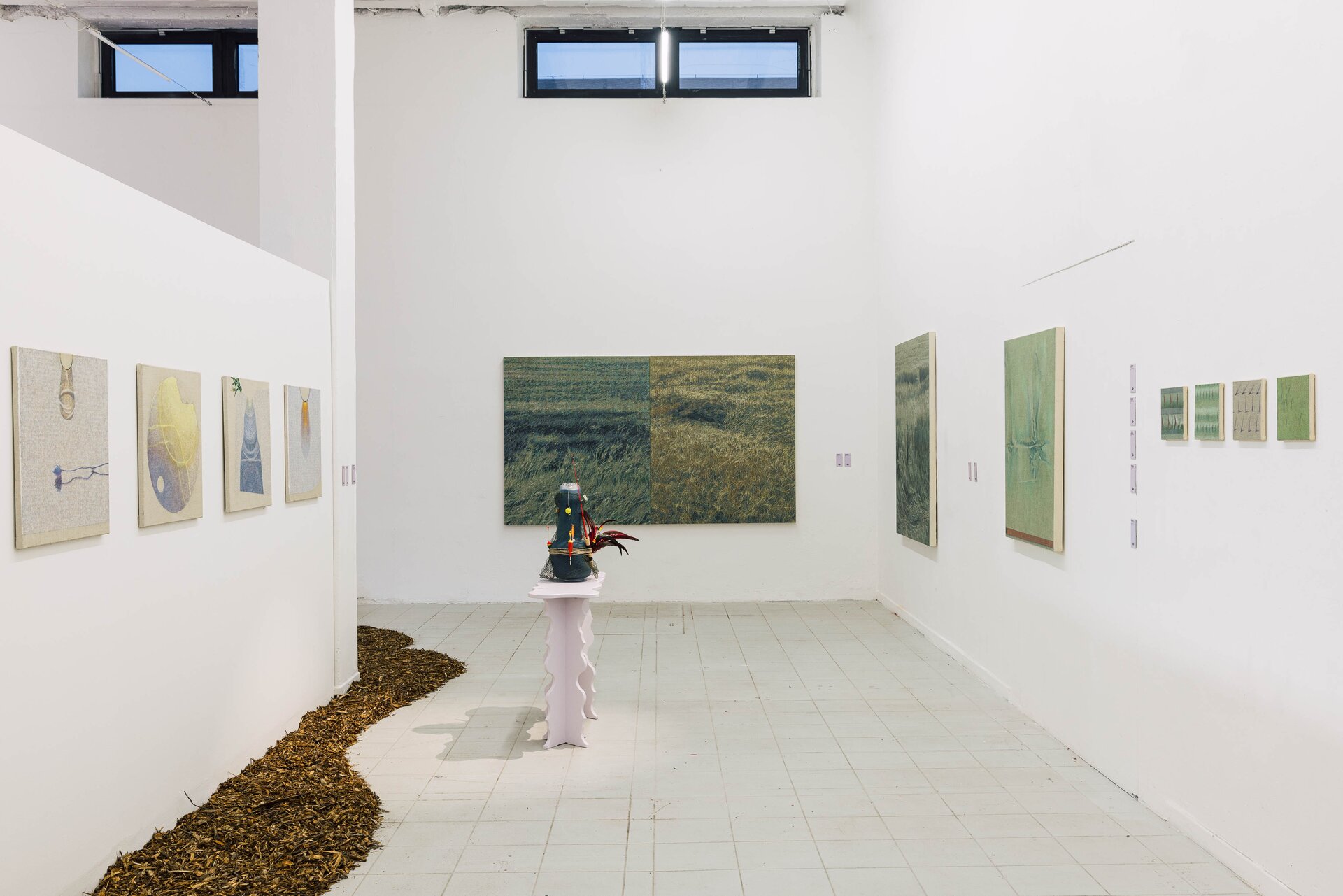
PETR: It feels natural to me; I let intuition guide me a great deal. My basic rule is that I won't exhibit things I don't like, so I choose works and artists with whom I feel the right chemistry. When I feel energy in someone's work, I know this is an artist I want to work with. So it's actually quite simple (laughs).
Choosing artists is one thing, but running a gallery also involves long-term decisions, such as moving to new premises. Three years ago you moved to Holešovice Market, which was certainly a big step. How has the community around The Chemistry changed with it?
PETR: Last week we celebrated our 18th birthday, and I'm really pleased that even today I meet faces at our openings that I used to meet here eighteen years ago. It's nice to see that a certain part of our base is growing with us and staying loyal to us. The community keeps expanding with new visitors from among the friends and fans of particular artists, which also keeps making it younger.
How much do the people who come to openings overlap with the actual buyers of works?
PETR: I have a nice little story about that. Back when we were based on Bubenská in what was then the Orco building, one of our collectors from New York came to see an opening. It was getting late, he was watching what was going on at the opening, and then he asked me whether I thought any of the people there would buy anything. I told him that most likely not. So he asked me why I was doing it at all. I tried to explain to him that a public opening and the whole atmosphere of the evening are one thing, and that this is what people will then talk about. And it is something that gradually builds awareness of the gallery. Relationships with clients are another thing, built in different ways. And both of these groups of supporters are important to me.
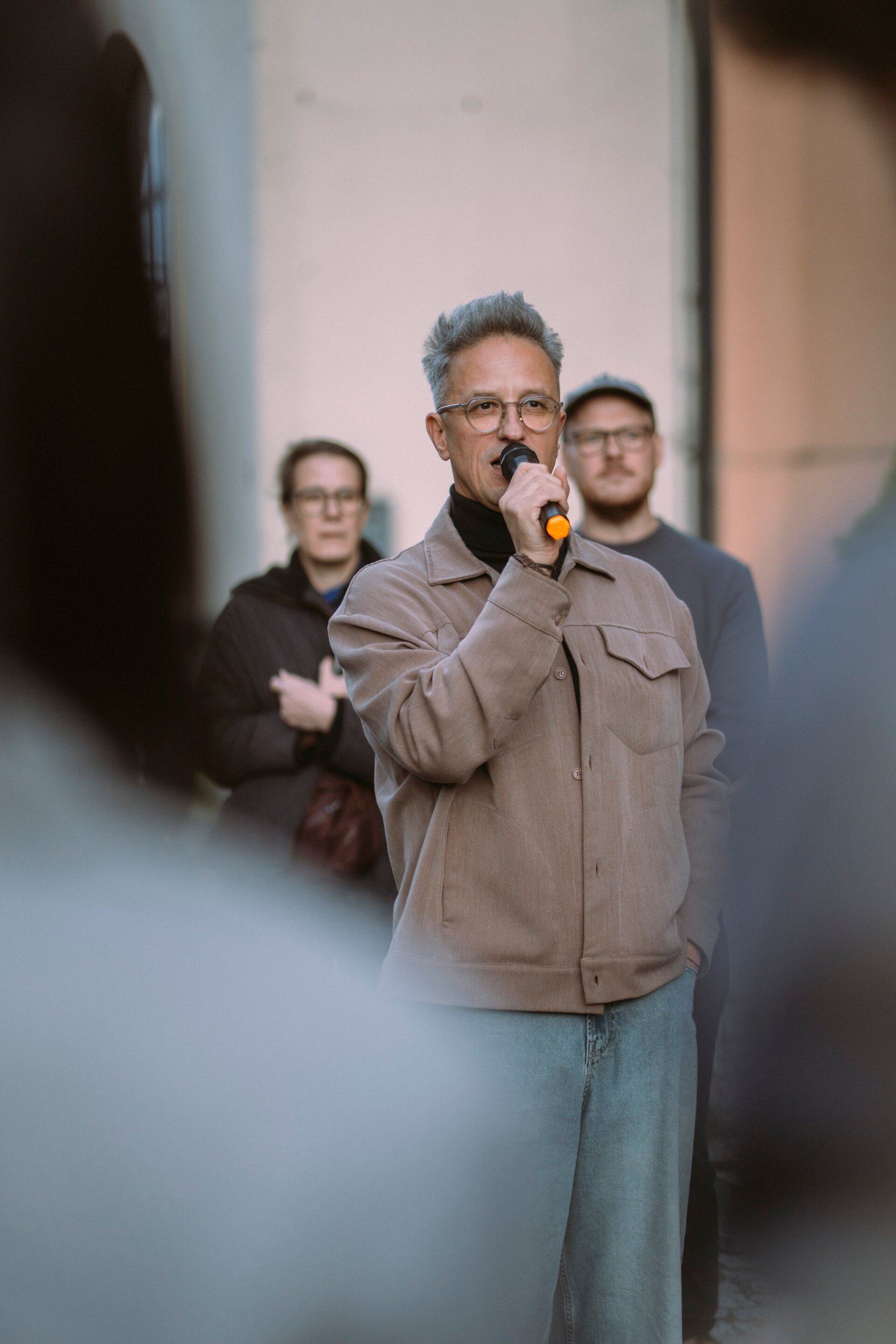
Last week, for example, I was at the Frieze fair in London, where I went to several openings. But there was no dancing in any gallery, no DJ or live music playing anywhere. Nowhere was it simply as cheerful as it tends to be at ours. People don't come to us only for the art, but also for the atmosphere. And I value every visitor who comes to the gallery, whether they buy something or not.
Besides Frieze London, you have attended several other international fairs this year. Are such trips very demanding for a Czech gallerist?
PETR: Ever since our beginnings, people have been asking us whether we would go to fairs. At that time I didn't even have money for an exhibition catalogue, and I had no means of financing such costly trips. But even then I had the ambition to sell young Czech art abroad as well, and fairs were one of the proven ways.
Our finances first allowed such a trip in 2016, and since then we have been to at least twenty fairs around the world. It is demanding and expensive, but if we want to make a name for ourselves outside our country too, it is one of the unavoidable steps.
What sources do you use to finance the trips today?
PETR: A gallery has to have a certain level of sales from which such an investment can be paid. Support from public sources can help in part; it doesn't cover the whole amount, but it is a good incentive. Co-financing by the artists is also an integral part of the funding. The benefit for the artists presented is the same as for us, so it is a way of financing these costly presentations through joint effort.
In the future, I would like to find a private entity that would make the presentation of Czech artists and galleries at international fairs its priority and would be able to support these activities financially. It would be a great investment in a meaningful presentation of the Czech Republic abroad.
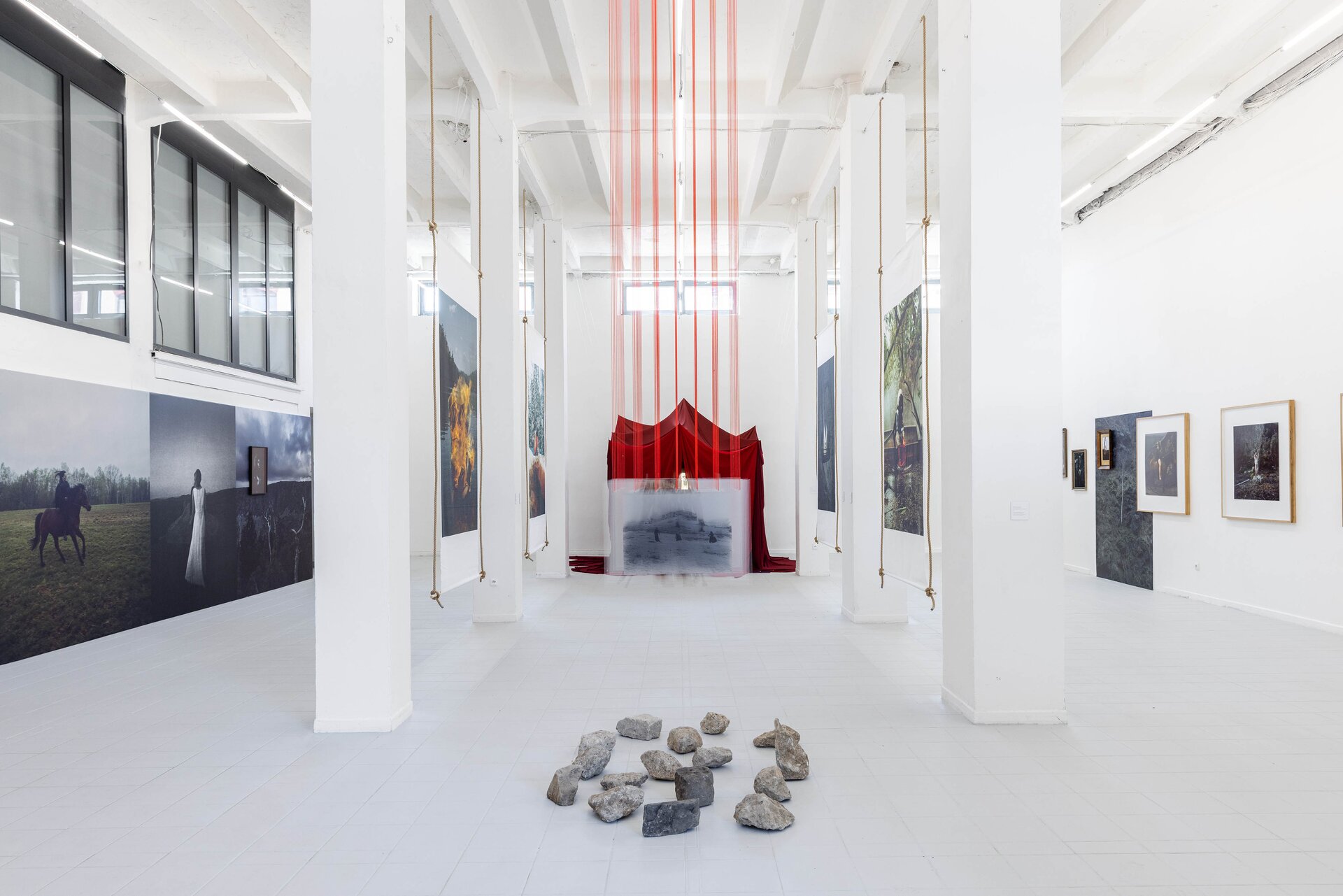
Is a rate of three to four fairs a year sustainable for The Chemistry in the long term?
PETR: I have to admit it really is demanding. That is why I have decided to slow down a little next year, take a breath and perhaps adjust the strategy. But it all comes down to money, so if we were able to finance participation in art fairs from external sources, I certainly wouldn't say no.
You also manage to travel outside Europe. How would you compare the impact of European and American fairs, whether in terms of networking or the sales themselves?
PETR: For us, the fair in Miami has worked best so far. We have now been there for the sixth time, and we have several regular collectors from there who are interested in our artists beyond the event itself. In Europe, we regularly go to Berlin, for instance, where it doesn't work quite as well yet, but taking part doesn't require such high costs, and sales there are often boosted by Czech collectors, who also visit this fair regularly. This year we presented ourselves in Hong Kong for the first time, which was an interesting experience. Setting out to explore a completely unknown market is of course not easy, but through the local Czech community we managed to open a dialogue with many local players. That moved us forward quite a bit, and I think next time we will feel much more confident there.
According to surveys by fairs in Europe and beyond, collectors are getting younger, and interest is growing markedly above all among Generation Z. Can such young collectors be found here too? Do you see your fairly new project Chemistry Prints as a way to reach this category of collectors?
PETR: This generation certainly comes to our openings, but I haven't noticed many buyers among them so far. The Chemistry Prints project has more to do with an effort to democratise art. It is a kind of nod to the idea of Andy Warhol, who began making his prints in the belief that everyone should be able to afford art. I see Chemistry Prints as a way to cater to a much wider range of people. I like the idea that people can, without lengthy deliberation, buy an original print for a few thousand crowns and enrich their home with a high-quality yet affordable work of art.
Besides this project, you are spread across many other activities. What are you planning for next year?
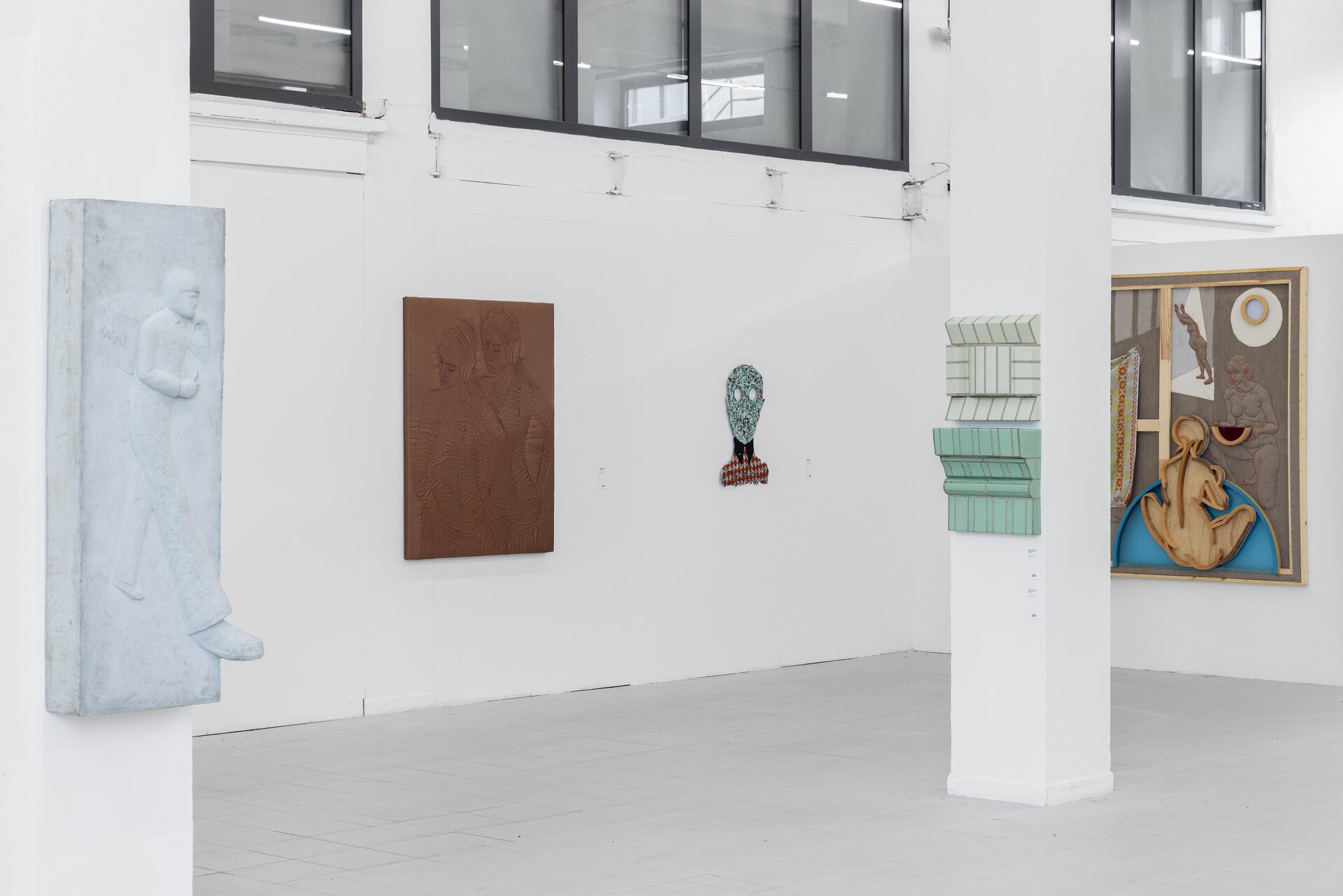
PETR: It's true that we have a lot of projects under way. Besides our permanent exhibition space in Hall 40 of Holešovice Market and Chemistry Prints in the Lucerna Palace, we regularly exhibit at Dům Radost in Žižkov, we had the Portheimka gallery in Smíchov at our disposal, I helped my clients launch the Šmeral Art Factory gallery in Brno, this year we held the third edition of the mural art festival Urban Pictus, and the list would be far from over… From next year I'm hoping for a bit of slowing down, stabilisation and a review of the projects currently under way. I believe a little distance will allow me to create an even more compact and sustainable whole. Next year I would like to focus more on developing projects in the Czech Republic than abroad.
